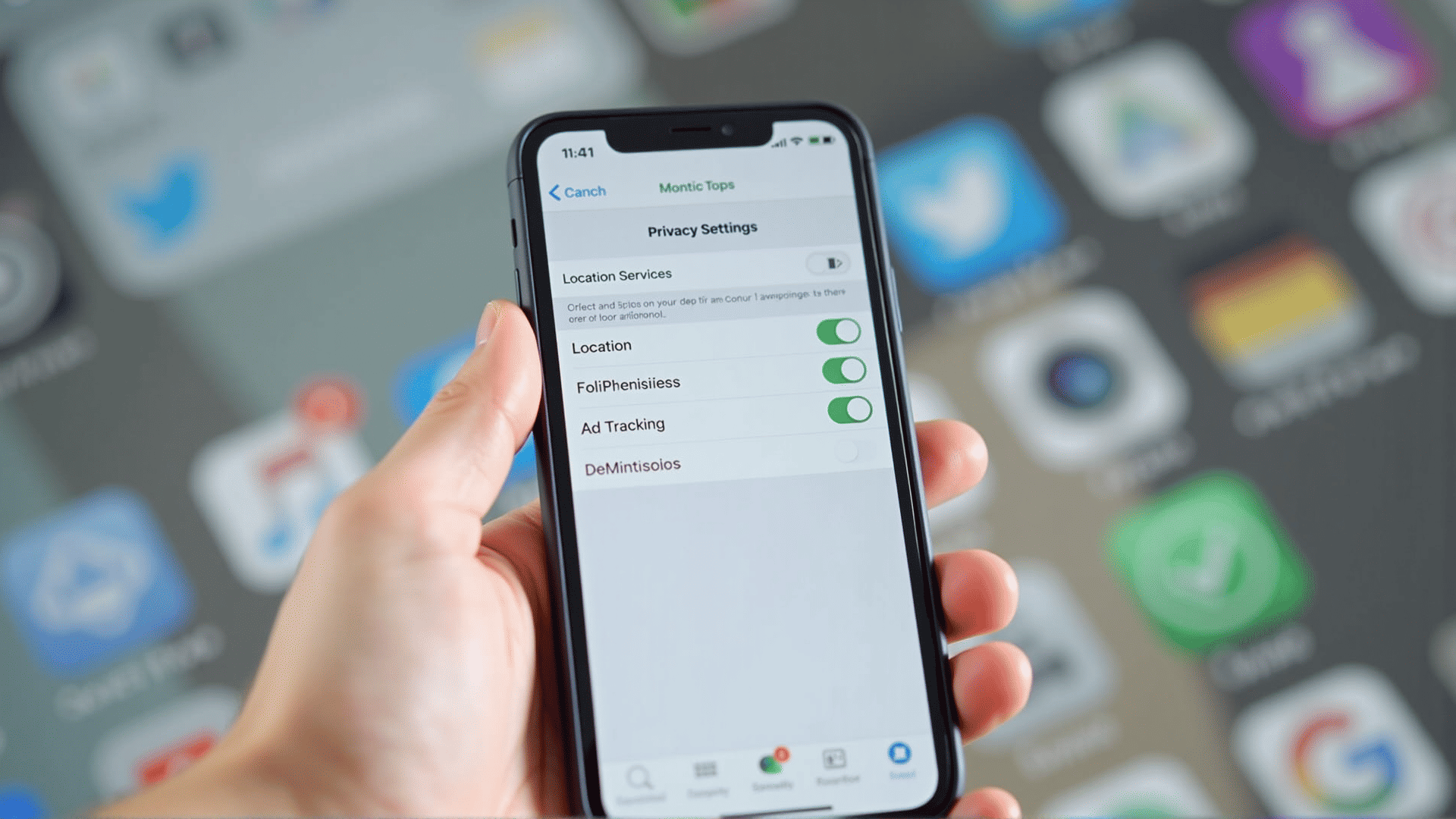
In the digital era, managing privacy settings across various platforms is crucial for safeguarding personal information. With interconnected devices and numerous online accounts, optimizing these settings can significantly enhance your data protection.
Start with an Audit of Current Privacy Settings
Before making adjustments, it’s essential to understand what your current privacy settings are. Review each platform you use, such as social media, email, and any other apps or services where you have personal data stored. By knowing the baseline, you can make informed decisions about what needs changing.
Understand the Privacy Features Offered by Each Platform
Each platform offers unique privacy features. Familiarize yourself with these tools to effectively adjust your settings. Social media platforms often provide settings to control who can see your posts, who can contact you, and how your data is used for advertising. Understanding these options is the first step toward customizing them for enhanced privacy.
Adjust Visibility Settings
Reducing the visibility of your personal information is key to protecting your data. For social media, consider limiting your profile visibility to friends or connections only. Disable location tracking where unnecessary and regularly review tagged photos and posts. This limits the exposure of personal details to unwanted parties.
Manage Permissions for Apps and Third-Party Access
Frequently, third-party apps seek permissions that are not essential to their function. Carefully review and manage these permissions. Revoke access for apps that you no longer use or are unsure of. This minimizes the risk of your data being shared without your knowledge.
Enhance Security Features
Enabling two-factor authentication (2FA) is a simple yet effective way to enhance your security. This adds an extra layer of protection, ensuring that even if your password is compromised, your account remains secure. Regularly update passwords, opting for a mix of letters, numbers, and symbols to improve password strength.
Regularly Review and Update Settings
Staying informed about updates in privacy policies and new features from platforms is necessary. Regularly revisiting and adjusting your privacy settings ensures that your personal information is continuously protected. Set a reminder to review your settings periodically, such as every three months, to check for new options or needed adjustments.
Conclusion
Optimizing privacy settings is an ongoing process that requires awareness and proactive steps. By regularly auditing your accounts, familiarizing yourself with available features, adjusting visibility, managing permissions, enhancing security, and staying updated with changes, you can significantly improve your personal data protection across all platforms. Embracing these strategies not only secures your information but also provides peace of mind in a digitally connected world.